
Introduction to Casino Design
The design of a casino plays a crucial role in shaping the overall experience of its visitors. From the moment players step through the doors, they are enveloped in an environment meticulously crafted to foster excitement and engagement. Architectural elements, lighting, and interior finishes are expertly designed not just for aesthetics, but to influence players’ moods and behaviors, especially when they enjoy australia online casino games that keep the adrenaline flowing. The aim is to create a setting that encourages prolonged visits and maximizes spending.
In addition to visual appeal, casinos employ strategic layouts that guide players through various gaming areas. For instance, slot machines are often positioned in clusters to create a sense of community and competition among players. This design choice reflects a deep understanding of social psychology, where individuals are more likely to engage when they see others participating. By considering these psychological factors in design, casinos can effectively enhance the gaming experience while also increasing the time spent on the premises.
Moreover, the choice of colors, sounds, and even scents contributes to a unique atmosphere that can affect player behavior. Bright colors can energize players, while soft, ambient lighting may encourage a more relaxed mindset. The sound of rolling dice, jingling coins, and upbeat music creates an auditory backdrop that keeps players engaged and stimulates excitement. This sensory immersion is an essential component of casino design, deliberately crafted to draw players deeper into the gaming experience.
The Effect of Layout on Player Interaction
The strategic organization of table games, slots, and other attractions within a casino can significantly impact player interaction and behavior. A well-designed layout promotes easy navigation, encouraging players to explore different areas and try their luck at various games. For example, placing high-stakes tables near the entrance can attract more experienced gamblers, while family-friendly gaming areas can draw in casual players. This careful segmentation increases the likelihood of players discovering new games and increasing their overall spend.
Furthermore, a layout that fosters social interaction can enhance the gaming experience. Casino designers often create open spaces where players can interact with one another and staff, thereby fostering a sense of community. This social dynamic not only draws players in but also encourages them to stay longer. When players share experiences and engage in conversations, they tend to feel more connected to the casino environment, which can lead to repeat visits and increased brand loyalty.
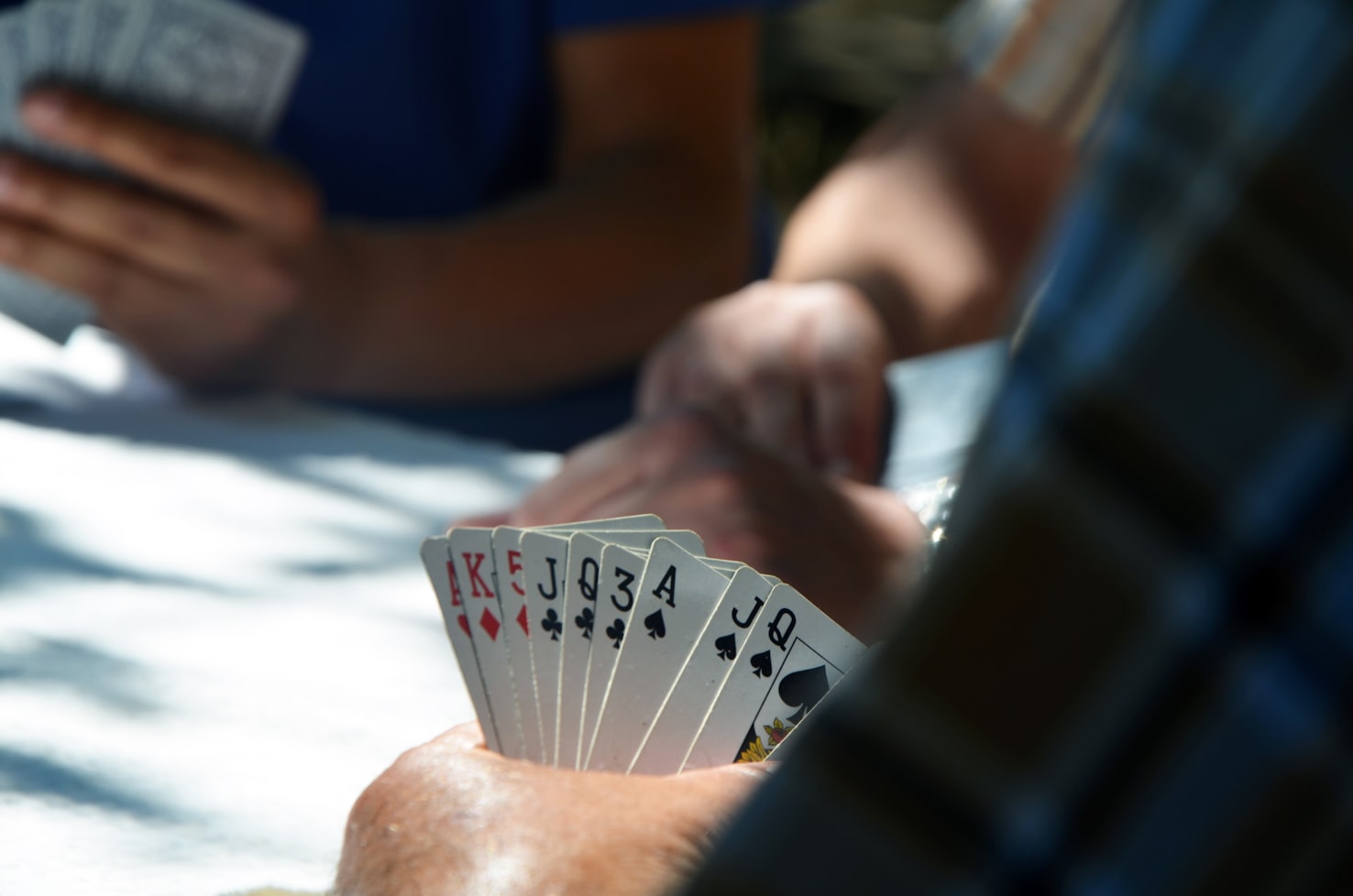
Additionally, the flow of the casino’s layout is crucial in managing player movement. Designers utilize pathways that guide players naturally from one area to another, strategically positioning amenities like bars, restaurants, and entertainment zones along the way. This encourages players to take breaks, refresh themselves, and ultimately increases their likelihood of returning to the gaming floor. By combining entertainment and gaming, casinos can enhance player retention through thoughtful design.
Ambiance and Sensory Experience
The ambiance of a casino is an important factor that shapes player behavior and impacts their overall experience. Designers often utilize elements such as lighting and decor to create a specific mood that resonates with the intended audience. For instance, vibrant, dynamic lighting can elevate excitement levels, while more subdued tones may foster a sense of calm for players seeking a relaxed escape. This thoughtful approach to ambiance can significantly influence how long players choose to stay and how much they are willing to spend.
Sound design is another key component of the sensory experience within casinos. The strategic use of music and sound effects can evoke emotions and encourage players to engage with games. Upbeat music can enhance feelings of excitement and competitiveness, while quieter areas may allow for relaxation and contemplation. The careful calibration of soundscapes is essential to maintaining a lively yet comfortable atmosphere, ensuring that all players can find their niche within the casino.
In addition to visual and auditory elements, scent plays a subtle yet crucial role in enhancing the casino experience. The use of specific fragrances can evoke positive feelings, creating lasting impressions that keep players coming back. For example, the scent of fresh coffee in a nearby cafe may attract players looking for a pick-me-up, while floral or fruity aromas can create a welcoming and pleasant environment. By engaging multiple senses, casinos can create a comprehensive experience that impacts player behavior and preferences.
Psychological Impact of Casino Design
The psychological implications of casino design extend beyond mere aesthetics; they delve into the intricacies of human behavior and decision-making processes. Understanding how players react to their surroundings allows designers to create environments that elicit desired behaviors, such as increased spending or prolonged playtime. For instance, the “near-miss” effect, which occurs when players lose but are close to winning, can be amplified through design elements that keep them engaged and hopeful.
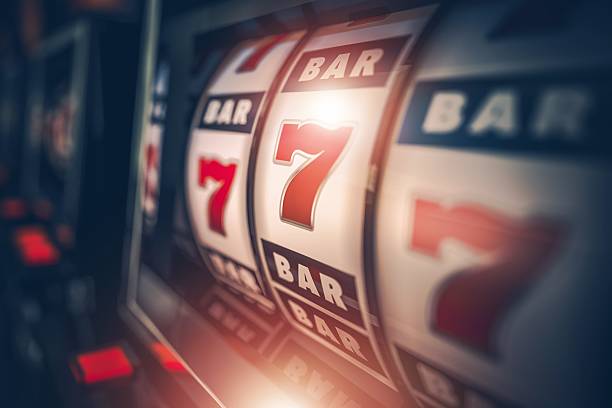
Moreover, the concept of “gamification” plays a significant role in influencing player behavior. By incorporating game-like elements into the casino experience, designers can engage players in a way that feels rewarding. This could involve loyalty programs, promotional events, or themed gaming nights that encourage players to participate more actively. Such psychological triggers can create a sense of accomplishment, leading to increased satisfaction and a greater likelihood of return visits.
The importance of psychological cues in casino design is evident in how players perceive risk and reward within the environment. For example, the use of colorful displays and prominent signage can create a sense of urgency or exclusivity, motivating players to participate more actively. This cognitive engagement can reshape how players view their time spent in the casino, reinforcing positive associations and encouraging continued exploration of gaming options.
Conclusion and Future Perspectives
As the landscape of casinos evolves, the importance of thoughtful design will continue to grow. Understanding player behavior and preferences is crucial for creating an engaging environment that caters to diverse audiences. Future innovations in casino design may integrate technology more seamlessly, allowing for personalized experiences that resonate with individual players. Concepts like virtual reality and augmented reality could redefine how players interact with games, transforming the traditional gaming floor experience.
Moreover, with increasing competition in the gambling industry, designers will need to stay ahead of trends to ensure that their establishments remain appealing and relevant. This may involve adopting sustainable design practices, emphasizing wellness and comfort, and creating spaces that foster connection and community. By prioritizing these elements, casinos can continue to attract a broad spectrum of players and enhance their overall experience.
In conclusion, the impact of casino design on player behavior is undeniable and multifaceted. By considering psychological insights, sensory experiences, and strategic layouts, casinos can create engaging environments that not only attract players but also foster loyalty and increase spending. As the industry continues to innovate, the future of casino design promises to deliver even more engaging and immersive experiences for players worldwide.
