
The Allure of Gambling: Understanding Its Appeal
The psychology behind the allure of gambling in casinos has long fascinated researchers and enthusiasts alike, especially when considering how casinos sister sites can amplify the experience. At the core is the thrill of risk-taking, a psychological element that attracts many individuals. When gamblers place bets, they experience a rush of adrenaline that can be incredibly enticing. This excitement often leads to a compelling cycle where the anticipation of winning can outweigh the potential for loss, sparking an ongoing desire to engage in gambling activities. The interplay between risk and reward creates a magnetic pull that is difficult for many to resist.
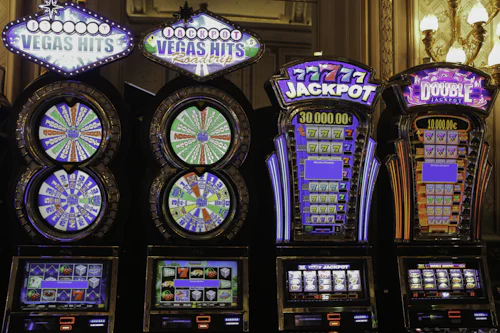
Another significant factor is the environment created by casinos. Bright lights, captivating sounds, and the overall atmosphere are meticulously designed to stimulate senses and evoke emotions. This sensory overload can lead to a state of flow, where individuals become so engrossed in the gaming experience that they lose track of time and money. The design of casino spaces, including the layout and the placement of games, is intentionally crafted to maximize this immersive experience. This phenomenon illustrates how casinos leverage psychological principles to enhance the gambling experience, making it more likely for individuals to stay and play longer.
Cognitive biases also play a crucial role in the appeal of gambling. Gamblers may fall victim to the gambler’s fallacy, believing that past outcomes affect future results. For example, if a player sees a slot machine that hasn’t paid out in a while, they might feel that it is due for a win. These misconceptions, combined with the thrill of potential success, create a potent mix that keeps individuals returning to the casino floor, despite the risks inherent in gambling. The illusion of control further complicates this dynamic, as players often believe that their strategies or skills can influence outcomes when, in reality, many games rely purely on chance.
The Role of Reward Systems in Gambling Behavior
Understanding the reward systems in gambling is essential for comprehending why individuals often engage in this behavior. The brain’s reward pathways are activated when a player wins a bet, releasing dopamine, a neurotransmitter associated with pleasure and reinforcement. This biochemical response reinforces the behavior, making individuals more likely to gamble in the future. The unpredictability of rewards—where wins can be both small and monumental—adds to this psychological manipulation, keeping players engaged and hopeful. This creates a cycle of behavior that can be hard to break, as players continuously seek that next high from a win.
The design of casino games is also crucial in exploiting these reward systems. Many games are structured to provide frequent small wins that create a sense of accomplishment and positive reinforcement without the player needing to achieve the grand prize. These intermittent reinforcements lead to a conditioned response, where individuals return to the games, constantly chasing the next thrilling win. This mechanism aligns closely with principles found in behavioral psychology, where rewards influence future behavior. Gamblers often find themselves caught in a loop of expectation and excitement, making it challenging for them to walk away, even when losing.

Moreover, casinos have implemented loyalty programs and rewards systems that further cement the notion of value in gambling. By offering players points for their wagers, free meals, or other perks, casinos create an incentive structure that encourages continued play. This approach solidifies a player’s perceived connection to the casino, fostering a psychological allegiance that can lead to extended gambling sessions and increased spending. The psychological impact of these rewards can be profound, contributing to a sense of belonging and loyalty that keeps players returning to the gaming floor.
The Psychological Impact of Losses and Addiction
The psychological impact of losses in gambling can be profound, contributing to a cycle that can lead to addiction. Losses are often experienced as significant emotional setbacks, prompting individuals to chase their losses in hopes of regaining what they have lost. This behavior is fueled by cognitive distortions, such as the illusion of control, where players believe their actions can influence outcomes despite the inherent randomness of many gambling games. The emotional distress from losing can drive individuals deeper into the cycle, as they attempt to recover their losses, often risking even more in the process.
As individuals continue down this path, the stakes become escalating, and the emotional toll can lead to feelings of guilt, shame, or despair. These negative feelings may drive gamblers to engage in even more gambling as a means of escape, creating a vicious cycle that perpetuates their gambling habits. The connection between emotional distress and gambling behavior highlights the importance of recognizing symptoms of problem gambling in oneself and others. Understanding this cycle can be the first step toward addressing and overcoming the challenges associated with gambling addiction.
Addiction to gambling is a complex psychological condition that requires understanding and intervention. Treatment options may include therapy, support groups, or behavioral interventions aimed at breaking the cycle of gambling and addressing the underlying psychological issues. Furthermore, societal stigma surrounding gambling addiction can hinder individuals from seeking help, complicating their journey toward recovery and highlighting the need for greater awareness and understanding in this area. Encouraging open discussions about gambling and its psychological effects can play a vital role in reducing this stigma and fostering a supportive environment for those in need.
Social Influences and Group Dynamics in Casinos
Social influences significantly affect gambling behavior and decision-making in casinos. Many individuals enjoy the social aspect of gambling, often playing in groups or alongside friends. The camaraderie and shared experiences can enhance the thrill of the game, creating an enjoyable atmosphere that keeps players engaged. Moreover, witnessing others’ wins can heighten emotions and encourage individuals to place larger bets than they typically would when gambling alone. This social reinforcement can amplify the excitement of gambling, making it a more enjoyable and communal experience.
Group dynamics can also lead to risky behaviors, where individuals may feel pressured to continue gambling out of a desire to fit in or maintain the group’s excitement. The phenomenon known as “herding” occurs when individuals adapt their behavior based on the actions of those around them, leading to increased bets and a greater likelihood of chasing losses. This behavior reflects the influence of social psychology in gambling, where collective emotions and actions override individual judgment. The social environment of a casino can create an exhilarating yet perilous atmosphere that encourages players to gamble beyond their means.
Additionally, casinos often capitalize on social influences by implementing tournaments or communal games that foster competition. These formats not only attract players but also build a sense of community among participants. This social bonding can serve as a powerful motivator for repeated visits, reinforcing gambling habits while simultaneously providing a platform for shared enjoyment and entertainment. Understanding these dynamics is crucial for recognizing how social environments can enhance the psychological appeal of gambling and contribute to both positive and negative experiences.
Finding Balance: Responsible Gambling and Self-Awareness
While the psychology of gambling can lead to both positive and negative experiences, promoting responsible gambling practices is essential for maintaining a healthy relationship with betting activities. Awareness of one’s gambling habits, triggers, and emotional states can help individuals navigate their gaming experiences more safely. Establishing limits on spending and time can serve as practical measures to prevent the psychological pitfalls associated with excessive gambling. By recognizing the signs of problematic behavior early, players can take proactive steps to safeguard their well-being.
Education plays a vital role in fostering self-awareness and responsible gambling. Many casinos and organizations offer resources to educate players about the risks involved with gambling and promote strategies for keeping it an enjoyable pastime rather than a harmful addiction. Programs aimed at increasing awareness of the signs of problem gambling can empower individuals to seek help before their behaviors escalate into more serious issues. This proactive approach can help create a culture of responsible gambling where individuals are informed and supported in their choices.
Furthermore, fostering an open dialogue about gambling and its psychological impacts can break down the stigma that often surrounds addiction. Encouraging conversations about responsible gambling, mental health, and support systems can lead to healthier gaming environments. By prioritizing self-awareness and balanced approaches to gambling, individuals can enjoy the thrill without succumbing to the potential pitfalls of this engaging pastime. Ultimately, establishing a foundation of responsible gambling practices can contribute to a more sustainable and enjoyable gaming experience for all.
