
The Thrill of Gambling
The excitement of gambling is deeply rooted in human psychology. The chance to win large sums of money can create an adrenaline rush akin to that experienced by thrill-seekers who engage in extreme sports. This sensation of euphoria not only motivates players to take risks but also affects their decision-making processes. Consequently, exploring crypto casinos online may offer additional exciting opportunities that leverage these psychological triggers effectively.
This thrill can also lead to what psychologists term “loss aversion,” where individuals feel the fear of losing more acutely than the pleasure of winning. This can result in players remaining at the tables longer, chasing losses in hope of a big win. Understanding this emotional roller coaster is key to grasping why many are drawn to gambling, even when they are aware of the odds stacked against them.
The Role of Cognitive Biases
Cognitive biases play a significant role in how players perceive their chances of winning at casinos. For instance, the “gambler’s fallacy” is a common misconception where individuals believe that past events affect the probabilities of future outcomes in random games, such as roulette or slot machines. This skewed thinking can lead players to make ill-informed decisions based on streaks or patterns that do not exist.
Moreover, the “illusion of control” is another cognitive bias that impacts gamblers. Many players believe they can influence outcomes through skill or strategy, even in games of chance. This can lead to overconfidence, prompting them to bet more money than they can afford. Recognizing these biases can help individuals make more rational decisions while gambling, potentially lessening the emotional impact of loss.
The Importance of Environment
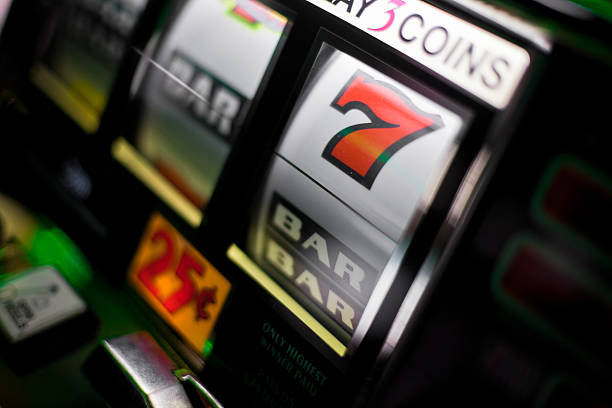
The environment within a casino significantly influences player psychology. Bright lights, loud sounds, and the scents of food and drink create a sensory overload that can heighten excitement and encourage longer playtime. Research shows that casinos intentionally design their spaces to induce a state of euphoria, keeping players engaged and often leading them to lose track of time and money.
Additionally, social interaction within casinos can further stimulate gambling behavior. Players often thrive on the communal atmosphere, as shared excitement and narratives about wins or losses can amplify their own experiences. The social nature of gaming can create a sense of belonging, compelling individuals to return, even if they walk away empty-handed.
Strategies for Winning
Understanding the psychology behind gambling can also lead to better strategies for winning. Players who are aware of their emotional states and cognitive biases are more likely to devise informed betting strategies. For instance, setting time limits and predetermined budgets can help mitigate the effects of loss aversion and prevent impulsive betting driven by emotional highs or lows.
Furthermore, players can benefit from taking breaks to evaluate their strategies and emotional states. This practice not only aids in maintaining a rational approach to gambling but also promotes responsible gaming habits that can lead to more enjoyable experiences overall.
Exploring Further Insights
While the thrill of gambling can be enticing, it is essential to understand the psychological factors that influence behavior in casinos. Insights into cognitive biases, environmental triggers, and emotional responses can better equip individuals to navigate the complexities of gambling. For those seeking reliable information and resources on responsible gaming, it is crucial to explore platforms that offer guidance and support, ensuring a balanced experience within this high-stakes environment.
Ultimately, by delving into the psychology of winning at casinos, players can enhance their experiences while minimizing risks. Awareness and understanding can transform gambling from a potentially harmful pastime into a more controlled and enjoyable activity. Through education and responsible approaches, individuals can find a healthier relationship with gambling, making informed choices that prioritize enjoyment above all.
